
A solar inverter does the real work behind every solar system. It turns the power from solar panels into electricity that the home can use. As Energy.gov.au explains, homes usually use either string inverters or microinverters.
This guide will teach you how these two options operate, where they are best used, their costs, and what type of inverter will be more rational for your roof, budget, and long-term battery plans.
The right inverter choice begins with the roof.
A simple roof with strong sun exposure usually suits a string inverter. A roof with shade, split sections, or panels facing different directions may suit microinverters better.
Energy.gov.au clarifies that the most popular solar inverters used in homes are string inverters, with microinverters mounted over panel backs and potentially useful in cases where the panel is subjected to varying environments.
In simple terms:
Good solar design always comes before brand preference.

A group of solar panels is connected to a string inverter. Such panels feed DC power to a single inverter. This is then converted by the inverter into AC electricity to use at home.
This arrangement is popular since it is feasible, tested, and economical.
String inverters can be a suitable option when:
For many Perth homes with open roof space, this setup works well. It keeps the system simple without adding extra equipment under every panel.
The main weakness is shade. If one panel in a string is affected by shade, dirt, or a fault, it can affect the performance of that string.
Modern string systems handle this better than older systems, but shade is still important.
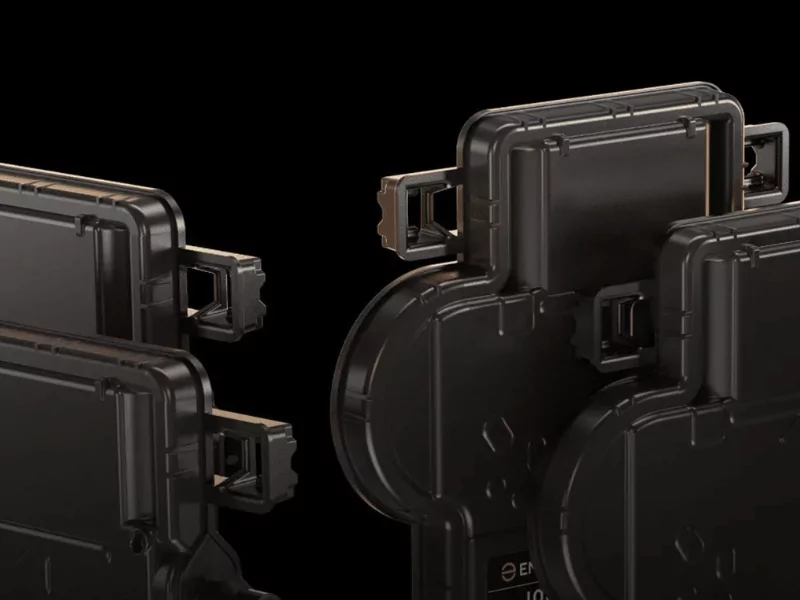
Microinverters work differently. Rather than a single large solar inverter for a great number of panels, every panel is equipped with a small inverter.
This enables the panels to be more independent. When one of the panels is stained, dirty, or not functioning properly, the others can continue operating.
Microinverters are often useful for:
Energy.gov.au notes that microinverters can improve monitoring because faults can be found at the panel level. Some microinverter warranties may also run longer than standard inverter warranties.
That does not mean every home needs them. It means they are stronger in certain roof situations.
Shade is often the biggest reason to compare microinverters vs string inverters carefully.
In a string inverter system, panels work together in groups. When one of the panels is compromised, it might cause the entire string to lose part of the output. This may occur due to trees, roof vents, surrounding buildings, bird droppings, or dirt.
This problem is minimized by microinverters since every panel becomes more self-reliant.
This matters for Perth homes with:
SolarQuotes also explains that microinverters or optimisers may be useful for complicated roofs, while string inverters often remain suitable for simple solar-only systems.
If the roof has no major shade, a string inverter may still be the smarter value choice.
String inverters usually cost less up front. There is one main inverter and fewer electronic parts across the roof.
Microinverters usually cost more because every panel needs its own inverter. Some Australian solar installers estimate that microinverter systems can cost around 20% to 40% more than similar string systems, depending on system size, brand, and roof design.
The extra cost may be worth it when the roof is difficult. It may not be worth it on a simple, sunny roof.
A fair cost comparison should include:
A cheaper system is not always better. An expensive system is not always smarter either.
Monitoring is one area where microinverters have a clear advantage.
With microinverters, the system can show how each panel is performing. This makes it easier to find one weak panel, one dirty panel, or one fault.
A normal string inverter usually shows system-level or string-level performance. That is enough for many homes, but it gives less detail.
Panel-level monitoring can help when:
Monitoring helps track solar performance and can help identify issues with a system.
For people who like clear performance data, microinverters feel more transparent. For people who only want a reliable system, string monitoring may be enough.

Repair access is often ignored during sales conversations.
A string inverter is typically placed on a wall, garage, or a shaded outdoor location. In case it requires servicing, then it is accessible.
Microinverters sit under the panels on the roof. If one fails, a technician may need roof access and may need to remove a panel.
This does not make microinverters unreliable. It simply means installer quality matters. So does product support.
Before choosing any inverter, check:
A long warranty is useful only when service support is clear.
A future battery should be discussed before choosing the inverter.
A string inverter system can be installed with a hybrid inverter if a battery is planned soon. This can make solar battery connection simpler in some cases.
Microinverter systems are usually AC-based. They can still work with batteries, but the battery design may be different. AC-coupled batteries are common with these systems.
For Perth homes planning a battery, the inverter should not be chosen alone. Solar and battery design should be planned together from the beginning.
In Western Australia, inverter choice must also fit network requirements.
The Clean Energy Council keeps an approved inverter list for equipment that meets relevant Australian standards.
Energy Policy WA has also confirmed new requirements for small-scale solar and battery systems from 1 May 2026. These apply to new and upgraded inverter energy systems.
This makes proper design important. The inverter must suit the home, the grid rules, and the long-term energy plan.
There is no single winner for every property.
A simple Perth roof with strong sun usually suits a string inverter. It is cost-effective, reliable, and easy to service.
A shaded or complex roof may suit microinverters better. They help each panel work on its own and offer stronger panel-level monitoring.
A practical guide looks like this:
Solar Accreditation Australia technical requirements also expect site-specific design details, including shade, orientation, tilt, and estimated monthly performance.
That is why a site assessment matters more than a generic recommendation.
Microinverters are not automatically the premium answer. String inverters are not outdated. Both can be the right choice when the system is designed around the home.
Middle Swan Solar can help match the inverter to the roof, budget, and future energy plans. A well-designed system will always beat a rushed system with the wrong equipment.

