
Perth power bills are no longer easy to ignore. Synergy’s standard Home Plan A1 electricity rate is now 32.3719 cents per unit, while most daytime solar exports under DEBS earn only 2 cents per unit. That gap is exactly why using your own solar panels during the day can make a real difference.
Australia has already passed four million rooftop solar installations, and rooftop solar now generates over 12% of national electricity. So the real question is not whether solar works. It is how much solar panel savings Perth homeowners can actually unlock with the right system, usage habits, and possibly a solar battery.

Many Perth homeowners still ask, “How much will Synergy pay me for extra solar?” That matters, but it is not where the best savings sit.
Under the Distributed Energy Buyback Scheme, Synergy customers receive 10 cents per kWh for exports from 3 pm to 9 pm, and 2 cents per kWh at other times. Rooftop solar exports are most likely to occur in the middle of the day, under the lower rate.
This is much less than the 32.3719 cents you save by consuming your own power.
Simple example:
That is why your dishwasher, pool pump, hot water timer, and EV charger matter.

Solar panels works hardest for homes that use power while the sun is out. If your house is empty all day, you may export more. If you work from home or run a pool, savings can improve.
A battery can help you store extra daytime solar and use it at night. This can increase self-use and reduce grid imports. But it adds upfront cost, so check the payback carefully.
From 1 July 2025, the Australian Government’s Cheaper Home Batteries Program offers around a 30% upfront discount on eligible battery systems.
WA also has the Residential Battery Scheme. Synergy customers may access a $1,300 solar rebate, while Horizon Power customers may access $3,800. Combined support can be close to $5,000 to $7,500 for some eligible households.
That does not mean every home needs a solar battery. It means battery maths is now worth checking, especially if your evening bills are high.
Solar is no longer a “future trend” in Australia. It is already part of everyday electricity use. The Clean Energy Council reported that Australia passed four million rooftop solar installations in 2024, across homes and small businesses. Rooftop solar panels also generated 12.4% of Australia’s total electricity that year, up from 11.2% in 2023.
That tells Perth homeowners one simple thing: solar is not experimental anymore. It is a proven way to reduce grid reliance and take more control over rising power costs.
For your home, the value is not just in having solar panels on the roof. It is in using that solar power smartly. The more daytime energy you use from your own system, the less electricity you need to buy from the grid. That is where real solar panel savings Perth homeowners can unlock start to show.
This is also why system design matters. A larger system may produce more power, but it does not always mean better savings. Your roof, usage habits, solar inverter export rate, and battery option all shape the final result. A good installer will help you turn national solar success into practical savings for your own Perth home.
The fastest way to improve solar panel savings in Perth is to use more power during sunlight hours.
Try these simple changes:
One small habit shift can help. You do not need to be an energy expert. Just stop wasting your cheapest power.

Middle Swan Solar can help you look beyond a simple quote. A proper savings estimate should check your usage, roof, system size, inverter choice, battery option, and export expectations.
Two homes on the same street can get different results. One may save more because the family uses power during the day. Another may need a battery or a smaller system.
If you want a premium Perth solar setup, ask Middle Swan Solar for a clear system design and honest savings estimate today.

Solar can reduce your Perth power bills, but the biggest savings do not come from solar panels alone. They come from a system designed around your roof, your daytime usage, your export rates, and your future energy needs. When you use more of your own solar power instead of sending it back to the grid, your savings become stronger.
So before you ask, “How big should my solar system be?” ask, “How much of this power can my home actually use?” Ready to find out what solar could save you?
Contact Middle Swan Solar today for a clear, practical solar quote built around your Perth home, your bills, and your long-term savings.
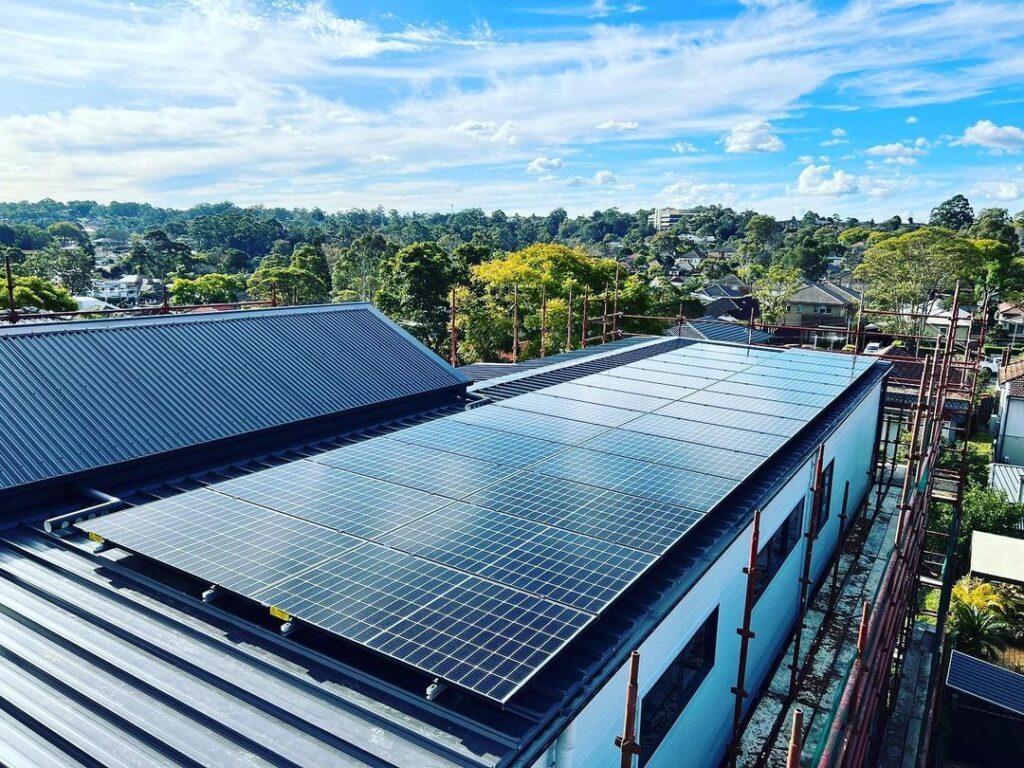
A solar battery can help if you export a lot of daytime solar and use plenty of power at night. Rebates may improve the payback, but the numbers should be checked before buying.
