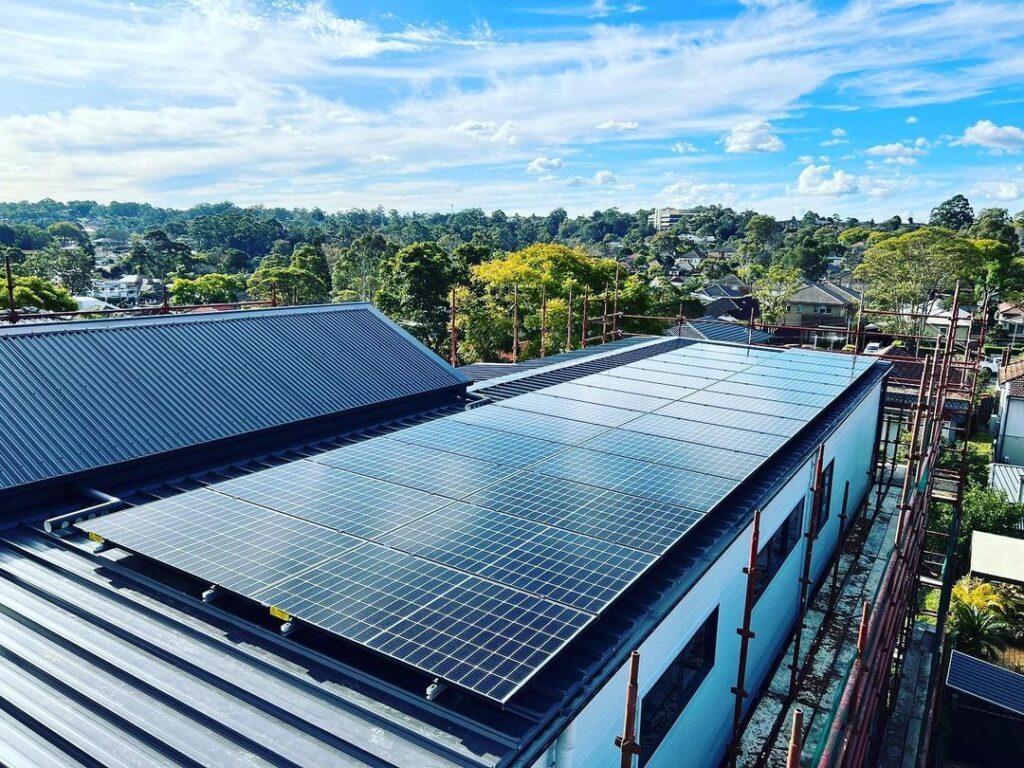
Solar on a rental property creates a different set of questions from solar on a home occupied by its owner.
The landlord owns the property, while the tenant lives in it and uses the electricity. The property manager may also be responsible for handling communication between the two.
So who owns the solar system? Who benefits from the electricity it produces? Who should a tenant contact if something goes wrong? What should a landlord tell a new tenant?
Understanding these questions before a tenancy begins can make solar much easier to manage for everyone involved.

When a homeowner installs solar on their own home, they make the decisions about the system and experience the effect on their household electricity use themselves.
A rental property is different.
The landlord owns the property and generally owns the permanently installed solar equipment. The tenant occupies the property and uses electricity during the tenancy.
This creates an important distinction between ownership and day-to-day benefit.
The landlord owns the solar asset.
The tenant may receive the day-to-day benefit of using electricity generated at the property.
The two should not automatically be treated as the same thing.
For this reason, both parties should understand how the solar system fits into the rental arrangement.
When a landlord owns a solar system installed at the property, the equipment remains associated with that property.
A tenant does not become the owner simply because they live in the home and use the electricity generated there.
For landlords, this means the solar system should be treated as part of the property’s records.
For tenants, it means the solar equipment normally remains at the property when the tenancy ends.
Good documentation is therefore important.
A landlord should keep information about the system with the property’s other important records and make sure the property manager knows that solar is installed.
This is one of the most important questions for both landlords and tenants.
The landlord owns the solar asset.
The tenant occupies the property and uses electricity.
When electricity generated by the property’s solar system is used by the household, the tenant may receive a direct benefit through reduced purchases of electricity from the grid.
The landlord retains ownership of the solar system as part of the property.
This means the two parties can benefit in different ways.
The landlord has a long-term property asset.
The tenant may receive a day-to-day household electricity benefit during the tenancy.
That does not mean either party is guaranteed a particular financial saving.
The outcome depends on how the property is occupied and how electricity is used.
No, not automatically.
A rental property having solar does not guarantee that the tenant will receive a particular electricity bill.
The household’s electricity costs depend on its own consumption and when electricity is used.
For example, a household that uses more electricity during daylight hours may use more of the property’s solar generation directly.
Another household may use most of its electricity in the evening.
The same property can therefore produce different electricity outcomes for different tenants.
Other factors can also affect the result, including the property’s solar generation and the tenant’s electricity arrangement.
This is why landlords should avoid promising a specific saving to prospective tenants, and tenants should avoid assuming that the presence of solar guarantees a low electricity bill.
A prospective tenant should understand what comes with the property before signing a lease.
Useful questions include:
A tenant does not need to understand the technical details of the solar system.
The important thing is knowing what is provided with the property and what to do if an issue occurs.
Installing solar on an investment property requires a different type of planning from installing it for a home you occupy yourself.
The landlord needs to consider the property as a long-term asset.
Important considerations include:
The decision should be based on the individual property rather than an assumption that every rental property needs the same solution.
There can be practical advantages to installing solar before a new tenancy begins.
The landlord can establish the property’s documentation, provide information to the property manager and have the system ready for the incoming tenant.
It can also avoid carrying out installation work while someone is already living at the property.
However, a landlord may also consider installation while a property is occupied.
In that situation, communication and scheduling become more important.
The landlord needs to consider access to the property, communication with the tenant and coordination with the property manager.
Solar installation should therefore be considered as part of the property’s overall management rather than as an isolated project.
Solar can be a useful feature when advertising a rental property.
Some prospective tenants may consider lower household electricity costs an attractive feature when comparing properties.
However, landlords should not assume that solar automatically justifies a particular increase in rent.
Rental demand varies according to the property, location, condition, available features and the preferences of prospective tenants.
Solar can be presented as one feature of the property, but it should not be treated as a guaranteed rental premium.
Clear information can prevent confusion during a tenancy.
A tenant moving into a solar-equipped property should know:
The tenant does not need a technical manual.
A simple explanation is usually enough.
For example:
“Solar is installed at the property. If you notice a problem with the system, please contact the property manager rather than attempting to repair or alter the equipment.”
This gives the tenant a clear process without requiring them to understand the technical side of the installation.
The tenant should use the normal communication process established for the rental property.
This will usually mean contacting the landlord or property manager and explaining what has been noticed.
Tenants should not attempt electrical work or modify solar equipment.
When reporting a problem, useful information can include:
The landlord or property manager can then determine the appropriate next step.
This creates a simple division of responsibility.
The tenant reports the issue.
The landlord or property manager coordinates the response.
A qualified professional handles technical work when required.
Responsibility should not be assumed without considering the circumstances.
The landlord owns the property and normally owns the permanently installed solar equipment.
The tenant should report problems through the appropriate rental-property channel rather than arranging electrical work independently.
The circumstances surrounding a problem can affect who is responsible for addressing it.
For landlords, keeping clear records of the system and previous work can make future property management easier.
For tenants, the safest approach is to report a problem and allow the landlord or property manager to determine what needs to happen.

A solar-equipped rental property should have clear records.
The landlord or property manager can record:
This information can be particularly useful when the property changes tenants.
The incoming tenant should not have to work out how the solar system is managed by themselves.
The solar system normally remains with the property when the tenant leaves.
The outgoing tenant does not take the equipment with them.
The electricity account relates to the household occupying the property, while the solar system remains associated with the property itself.
When one tenancy ends and another begins, the household changes but the solar equipment remains.
Landlords and property managers should therefore make sure the next tenant receives the relevant information.
A simple handover can include:
Property managers can become an important point of contact because tenants may report problems to them first.
The property manager should know:
This helps avoid situations where a tenant is unsure whether to contact the landlord, property manager, electricity provider or solar company.
The property’s management process should make the appropriate contact clear.
Landlords should keep useful information about the property’s solar system alongside other property records.
This can include:
Keeping these records together makes future ownership and tenancy changes easier to manage.
It can also help a professional understand the existing system if assistance is required later.
A tenant does not need to change their lifestyle simply because the property has solar.
However, understanding the relationship between household electricity use and solar generation can be useful.
Solar generation occurs during daylight hours.
Household electricity consumption can occur at any time.
As a result, the amount of solar electricity that benefits a household can vary according to when that household uses electricity.
Someone who works from home may use more electricity during daylight hours than someone who is away from the property for most of the day.
The important point is that the same rental property can produce different electricity outcomes for different households.
A landlord should consider the property rather than trying to predict exactly how every future tenant will use electricity.
Tenants change over time.
A family may occupy the property one year.
A couple may occupy it the next.
Another household may move in later.
The solar system remains with the property while household habits change.
For this reason, landlords should consider the property’s characteristics and long-term use rather than designing the entire decision around one tenant’s current electricity habits.

Some rental properties have both solar and battery storage.
For landlords and tenants, the important issue is understanding what equipment comes with the property and who is responsible for dealing with it during the tenancy.
A tenant should know:
A landlord should keep relevant information with the property’s records and provide appropriate information to future occupants.
The tenant does not need to understand the technical operation of the equipment to know how it fits into the rental arrangement.
A landlord should not assume that owning a solar system automatically gives them the right to create a separate charge for the electricity generated by it.
The financial arrangement between the landlord and tenant should be clear before the tenancy begins.
Informal arrangements can create confusion if neither party understands exactly what is being charged and why.
If a property has an unusual electricity arrangement, the landlord and tenant should make sure the arrangement is clearly understood before the tenancy starts.
Solar can be an attractive property feature, but there is no universal amount that it adds to a property’s value.
Property value is influenced by many factors, including:
Solar may contribute to the overall appeal of a property, particularly for people interested in household energy costs.
However, landlords should not assume that solar automatically creates a specific increase in property value.
It is better considered as one feature within the overall property.
Before installing or managing solar on an investment property, a landlord should consider:
Before moving into a property with solar, ask:
Getting these answers early can prevent confusion later.
A landlord considering solar for an investment property should ask questions specifically related to the property’s future use.
These can include:
These questions help turn the solar system into a properly documented property asset rather than something only the original owner understands.

Report any known problems before leaving the property.
There is no single answer for every rental property.
The decision should consider the individual property, its expected occupants and the landlord’s long-term objectives.
Solar may be worth investigating when a landlord wants to add an energy-related feature to the property and expects to hold the investment for the long term.
It deserves more careful consideration when the landlord is relying on assumptions about a guaranteed increase in rent or a specific financial return.
The best starting point is the property itself.
Consider its characteristics, expected occupancy and long-term ownership plans before deciding whether solar makes sense.
Solar on a rental property involves more than adding an energy system to a home.
There are different people with different relationships to the property.
The landlord owns the investment and normally owns the solar system.
The tenant occupies the property and may receive the day-to-day benefit from electricity generated there.
The property manager may coordinate communication between them.
Clear expectations therefore matter.
Landlords should document the system, understand the responsibilities associated with the property and make sure useful information is available to future tenants.
Tenants should understand what solar is provided with the property, who to contact if there is a problem and avoid assuming that solar guarantees a particular electricity bill.
When these expectations are clear, solar becomes much easier to manage throughout the life of a rental property.
If you own a Perth rental property and are considering solar, start with the property rather than choosing equipment first.
Middle Swan Solar can assess the property and discuss whether solar is appropriate for its characteristics, expected use and long-term ownership plans.
The goal is to help you make a property-specific decision rather than applying the same approach to every investment property.