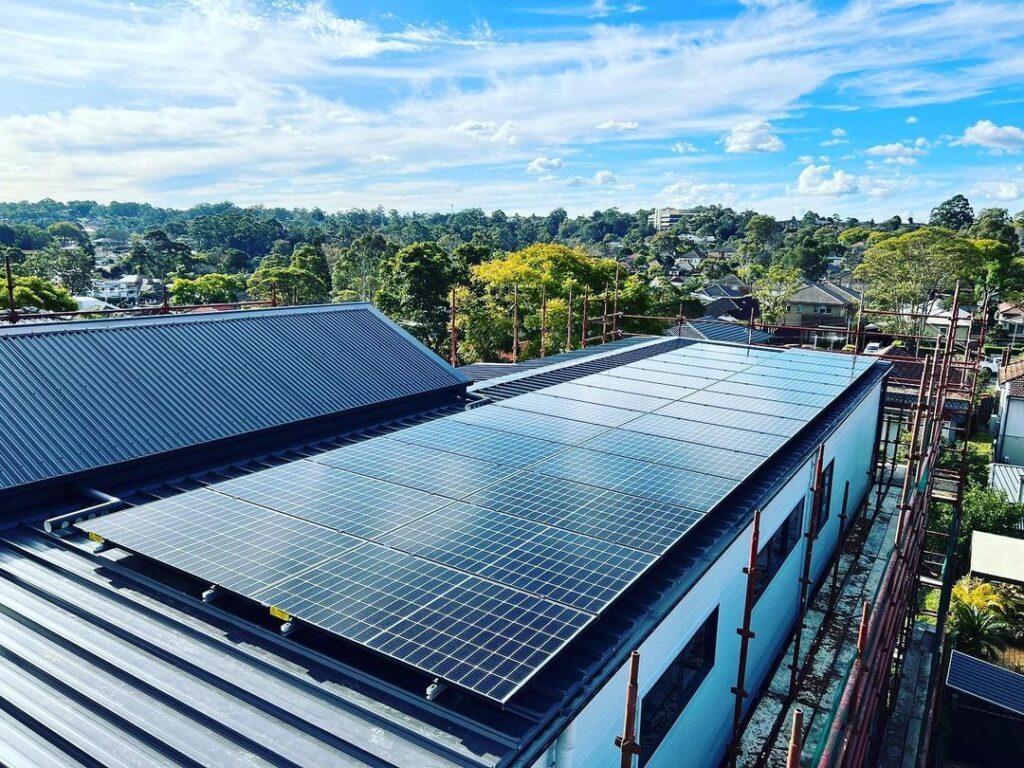
Perth’s solar systems are exposed to hot summers, dry winds, salt, pollen, and dust. Most panels do not require regular washing, although they require reasonable treatment. Perth solar panel cleaning requires consideration of the roof slope, location, trees, rainfall, and visible dirt.
The Australian Government notes that dirt and debris can reduce solar generation, while tilted panels often self-clean when it rains. That means the best cleaning schedule is not monthly. It is based on site conditions and system performance.

Most Perth homes should plan to clean your solar panels every 12 to 18 months.
This is enough for many systems with good tilt, clear roof space, and no heavy bird activity. Panels installed on a decent slope usually shed loose dust during rainfall. The problem starts when dirt sticks, builds up, or settles in areas that rain cannot wash properly.
A shorter cleaning cycle may be better for homes near:
Cleaning up every 6-12 months may be more feasible for these homes.
The idea is not to maintain the perfect look of the panels. We want to avoid dirt accumulating that blocks sunlight and decreases the system’s efficiency.

Rain is good, but not the solution for all cleaning.
Most of the panels fitted on a slope steeper than 10 degrees should clean themselves during rain, says the Australian Government. And that cleaning may be needed in dusty environments.
This could be an issue for Perth as the rain is not evenly distributed. This allows time for dust, pollen, and dirt to collect.
Rain helps to reduce dust. It is less useful for bird droppings, sticky sap, salt film, and baked-on grime. These marks often need soft manual cleaning.
Solar panels are exposed every day. Their cleaning needs depend on what surrounds the property.
A cleaning schedule is useful, but performance signs are more reliable.
Look for these common signals:
Checking the inverter app each month helps. It gives a clearer picture than guessing from the ground.

The impact depends on the type and thickness of dirt.
Light dust may only cause a small drop. Sticky pollen, bird droppings, and heavy grime can have a stronger effect. NREL research found that pollen reduced solar performance by more than 15% at affected sites, and rain did not fully restore output. Manual cleaning recovered 5% to 11% in performance.
This does not mean every Perth home will lose that much power. It does show that rain is not always enough when the dirt is sticky or persistent.
Solar panels should be cleaned gently. Rough cleaning may damage the glass, frame, seals, and/or wiring.
Avoid:
Solar Victoria advises keeping panels clean, using gentle methods, and arranging professional service when panels are very dirty or hard to reach. It further suggests that a solar system should be serviced by an electrician who is licensed at least every two years.
For single-storey buildings, you can clean the light dust and dirt with a long-handled soft broom. Climbing to clean high, steep, slippery, and difficult-to-reach panels may be left to the experts.
The best time is usually after the dirtiest period.
For many Perth homes, late summer or early autumn works well. Panels have already gone through heat, dust, dry weather, and bird activity. At this point, cleaning will assist the system in getting it to the remainder of the year in a better state.
A second cleaning just before the middle of summer may also be worth considering for coastal areas, roofs with lots of trees, and dusty areas. It’s best not to clean panels in the middle of the day. Glass and cooler glass are easier to wash and not so apt to streak.
Solar panel cleaning should not be treated as a separate cosmetic job. It fits into wider solar maintenance.
A proper system check may include:
Energy.gov.au says a qualified servicing company can clean, inspect electrical parts, diagnose inverter faults, and remove any debris from around panels.
This is why a maintenance-based approach is better than random cleaning. It protects both performance and system life.
Middle Swan Solar provides Perth homeowners with advice and services to ensure they get the most from their solar systems. Poor system performance may be caused by dirty panels. Factors include shading, inverters, roof design, and power usage.
The right check-up will help identify the actual problem before spending money.
Regular cleaning of solar panels may be beneficial to the performance of the panels in dusty, seaside, or tree-laden homes. For clean, well-tilted systems, monitoring and scheduled maintenance may be enough.